
Methods Are Used For Fast Turn Flex PCB
Quick turn flex PCB manufacturing provides clients with the opportunity to get a quality product that will be ready for production in a short period of time. This fast turnaround can provide valuable advantages to companies that are competing in a highly competitive industry. However, it is essential that companies choose a reliable PCB shop that produces high-quality products to ensure that the final product meets all of its required specifications.
Whether the PCB is made from rigid or flexible materials, it is necessary that it adhere to IPC guidelines during the design process to ensure the finished product is structurally sound and will perform reliably in its intended applications. IPC guidelines are constantly evolving and being fine-tuned, so it is important to make use of available resources and consult with a qualified supplier to obtain the latest guidance for a specific project.
In addition to IPC guidelines, it is also necessary that a PCB pass all of the required electrical testing methods to verify that it will function correctly in its final application. Impedance testing is one of the most common tests that must be performed, as it can help to detect any inconsistencies in the circuit board that could lead to signal loss or degradation. This is especially critical in high-frequency applications, where even slight irregularities can cause the device to fail or operate inaccurately.
What Testing Methods Are Used For Fast Turn Flex PCB?
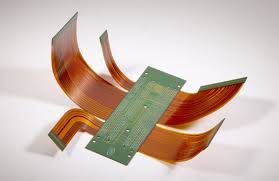
When designing a flex PCB, it is important to keep in mind that the thickness of copper plays an important role in its flexibility. The thinner the copper, the more flex it will have. Therefore, it is important to select the appropriate thickness based on your requirements. The PCB fabrication process can also impact the flexibility of a circuit board. For example, panel plating uses a large amount of copper, which can reduce flexibility. On the other hand, button plating uses less copper and can offer more flexibility.
In addition to assessing the integrity of the circuit board’s structure, it is also necessary to test the flex PCB’s ability to withstand environmental conditions. This includes conducting humidity and salt spray testing to determine whether the circuit board will be able to withstand exposure to moisture, which can damage it. Fortunately, many of these testing methods have been developed to be more efficient and cost-effective, allowing manufacturers to quickly identify defects and correct them before moving forward with production. This can save both time and money in the long run, ensuring that the final fast turn flex pcb will meet all of its required quality standards.
As the use of flex circuit boards continues to grow, so too will the demand for comprehensive testing methods that can accurately assess their quality and functionality. With advancements in AOI and electrical testing technologies, it is now possible to detect potential problems before they become costly issues that can delay the production of a successful product. In the future, machine learning algorithms will likely be incorporated into these testing systems, which can analyze vast amounts of data to identify trends and predict future defects, improving the efficiency and accuracy of flex PCB inspections.