
technologies do flexible PCB suppliers
With the rise of consumer demand for smaller, lighter, and more advanced electronic products, manufacturers must innovate to meet this need. One such innovation involves flexible circuit technology. These innovative PCBs can significantly reduce the size of electronic devices while improving their functionality, user-friendliness, and aesthetic appeal.
flexible pcb supplier can be used in a wide variety of electronic devices, from smart watches and fitness trackers to automobiles and aircrafts. These PCBs have many benefits, including weight reduction, increased reliability, and space savings. In addition, they can allow for curved or foldable device designs. Moreover, they can be manufactured in shorter time periods than traditional circuit boards, which helps reduce the cost and increase production efficiency.
The design process for a flexible PCB begins with computer-aided design (CAD) software, which allows engineers to plan the layout of the circuit, paying special attention to flex areas to ensure that stress is minimized. The copper foil layer is then etched using chemical processes to remove the unwanted copper and leave behind only the designed circuit traces.
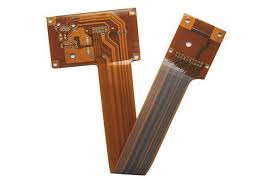
What technologies do flexible PCB suppliers use?
The conductive materials are then deposited onto the copper foil, followed by an adhesive material to hold the components in place. A coverlay is then applied to protect the conductive materials from environmental factors like moisture and mechanical abrasion. The coverlay can be made from a variety of materials, such as polyimide and polyester films. Finally, a solder mask is applied to protect the conductive layers during assembly and repair.
A flex PCB’s thin substrate and flexibility can be challenging to work with, especially when dealing with high-density surface mount components or large, heavy parts. Additionally, if the flex PCB is subjected to significant temperature fluctuations or vibrations, it may be difficult to maintain the integrity of the conductive material and cause electrical failure.
Fortunately, technological advances are helping to address these challenges. For instance, innovations like laser direct imaging (LDI) and roll-to-roll lamination are refining the manufacturing process, making it possible to create complex multilayer flex PCBs with ease. These advancements also offer greater precision and consistency in trace patterning, critical for dense circuit designs. They can also reduce the manufacturing cost of a flex PCB by eliminating the need for multiple interconnecting rigid-flex boards.
The design complexity directly affects the pricing. Flexible PCBs with multiple layers, intricate shapes, or complex circuitry will typically incur higher manufacturing costs. Designs that require additional features, such as stiffeners, plated-through holes, or controlled impedance, may also increase pricing. Some suppliers may charge extra for irregular shapes or customized designs because these often require special tooling or processes that go beyond standard manufacturing procedures.
As these technologies continue to develop, flexible PCBs are expected to become even more useful in a wide range of applications. Nevertheless, there are still some restrictions on the use of flexible circuits, such as their limited current-carrying capacity and inability to withstand harsh environments. These limitations can be overcome by implementing effective thermal management techniques, or by designing a hybrid circuit that utilizes both flexible and rigid elements.