
Advantages of PCB Fabrication Assembly
PCB assembly is a vital process for creating electronic devices. It involves mounting components on a printed circuit board to create a functional circuit. The advantages of pcb fabrication assembly include faster production, cost savings, and increased reliability. It also ensures quality by reducing manufacturing errors. Moreover, this process is highly automated, making it more efficient than manual assembly.
The type of technology used during PCB assembly is one of the most important factors that impact costs. Surface mount technology (SMT) is less expensive than through-hole technology, but it can be challenging to use smaller components and requires careful alignment and soldering. Similarly, using multiple surface mount components per layer can increase the price of the board. Finally, thicker boards can add to the overall cost of a project because they require more materials and labor during manufacture.
Another factor that impacts costs is the size of a PCB. Larger circuit boards are more costly to produce because they require more material and assembly time. In addition, they are difficult to inspect and can be susceptible to defects. Choosing a smaller PCB can reduce assembly and manufacturing costs because it is easier to handle.
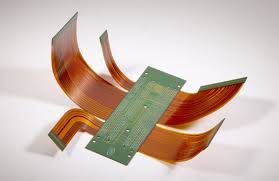
What Are the Advantages of PCB Fabrication Assembly?
Other factors that influence cost include the material used in a pcb fabrication assembly, its design complexity, and its lead time. The cost of a PCB can vary significantly based on these variables, so it is important to know what to look for when requesting a quote from a PCB assembly company.
One of the most important factors in determining the cost of PCB assembly is the number of layers. A multi-layer PCB has a higher circuit density, which makes it possible to pack more features into a smaller space. It can also reduce signal interference and improve performance. The type of circuits on a PCB also affects its price. For example, BGAs and ICs are more expensive than standard components because they require special packaging and X-ray inspection.
The location of the manufacturer also influences PCB assembly costs. Choosing a PCB supplier that is located in the same country as your assembly facility will save on transportation and logistics costs. In addition, choosing a provider that has an advanced supply chain can reduce costs by providing a competitive pricing structure.
Full turnkey PCB assembly services can save time and money by eliminating the need to coordinate different suppliers for different parts of a project. This approach can reduce the likelihood of miscommunication, which can compromise the integrity of a product. Having one point of contact can also help eliminate confusion that could result from multiple quotations from different companies. This also prevents the risk of an error in the final product, which can have significant consequences for a business. Moreover, a single point of contact can provide the opportunity for instant communication and change requests, which are critical in a fast-paced industry. This can help you avoid delays that can damage your reputation.