
Ice Bathe Every Day
While it may seem like a fad, athletes and everyday people have long used cold immersion therapy to help relieve sore muscles after a workout and reduce inflammation. Taking an ice bath or a cold plunge involves submerging the body (up to your neck) in cold water for a specified amount of time.
The cold water causes the blood vessels to narrow or constrict, which pushes blood away from the skin toward your organs. This increases circulation, helping to flush your system of toxins and improve the supply of oxygen to tissues throughout your body. The increased circulation also helps to ease the pain and stiffness associated with sore muscles.
In addition, the cold water can help regulate your stress levels. During an ice bath, the body releases hormones that promote feelings of calmness and happiness. This effect can be especially helpful for individuals who struggle with stress or anxiety. Once you’re out of the icy waters, it’s important to slowly re-warm your body by taking a slow walk or doing some light exercise such as squats or pushups. It’s also recommended to rehydrate with water or a sports drink.
The most effective way to reap the benefits of ice baths is to take them soon after your workouts, as this can help ease muscle soreness and inflammation. However, it’s also important to take into account your fitness level and recovery goals. If you’re a competitive athlete, it may be best to do an Ice Bath before your workouts, as this can help prepare the body for strenuous activity and increase your performance levels.
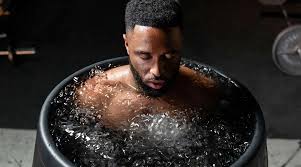
Should You Ice Bathe Every Day?
It’s important to note that the extreme temperature change can have adverse effects on some individuals, so it’s always a good idea to check with your doctor before trying an ice bath for yourself. If you have a condition such as diabetes or high blood pressure, it’s especially important to make sure your body can tolerate the cold temperatures.
If you do decide to give an ice bath a try, it’s best to start off slow and gradually work your way up to full-body soaks. It’s also a good idea to hydrate with plenty of water and warm up before you jump into the cold waters. Getting into the water too quickly can shock your body, which can lead to an accelerated heart rate and lower body temperature.
In addition to easing muscle soreness, cold water immersion can boost your immune system. Research suggests that regularly engaging in cold water immersion increases the number of white blood cells, which helps your body fight off illnesses. In fact, one study found that people who took regular cold plunges called in sick to work 29% less often than those who didn’t.
An ice bath, also known as cold water immersion (CWI), involves immersing the body in ice-cold water to promote recovery and reduce inflammation. This practice has gained popularity among athletes, fitness enthusiasts, and even those seeking relaxation or therapeutic benefits. The idea behind this technique is rooted in the body’s physiological response to cold temperatures and its potential to enhance physical recovery, reduce soreness, and aid in injury prevention. However, like any health-related practice, ice baths come with both benefits and risks, making it important to understand the full scope before committing to such a regimen.


