
CFD trading platforms make money
CFD trading platforms allow traders to speculate on price movements of an asset without actually owning the underlying asset. The profits from the trades come from the difference between the opening and closing prices of the contract. The underlying assets can be stocks, indices, commodities, cryptocurrencies or currencies. CFDs can be traded on margin, meaning that traders can open a position with a smaller capital disbursement than would be required to buy the underlying asset outright.
CFDs are a popular trading instrument because they offer leverage and the ability to trade on both the up and down sides of an asset’s price. In essence, each cfd platform trade is made up of two trades; one to enter or open a position and the other to close it. For example, if a trader believes that the price of an asset will rise they will purchase CFDs in that market, known as going long. Alternatively, if the trader believes that the price of an asset is going to fall they will sell CFDs in that market, known as shorting.
Traders make a profit when they buy or sell at the right time, and when their prediction is accurate. If the price of an asset rises as expected, the trader will close out their long CFDs for a profit, which is equal to the difference between the purchase and sales price. If the price of an asset falls, a trader will close out their short CFDs for a loss, which is equal to the difference between the selling and purchase price.
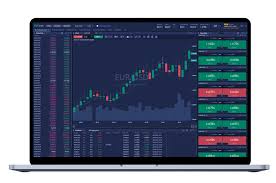
How do CFD trading platforms make money?
The use of leverage in CFD trading magnifies both your potential profits and losses, so it is important to understand the risks involved before starting to trade. Traders must be aware that their losses can exceed their initial deposit due to leverage, and it is vital to carefully monitor their positions on a regular basis.
When choosing a CFD platform, look for a provider that segregates client funds from operational funds and has a strong track record of performance and customer support. The platform should also offer customisable features and API integrations, as well as enterprise or source code options. It is also advisable to choose a vendor that offers ongoing maintenance and support. Finally, be sure to read any available product statements to ensure you fully understand the risks associated with CFD trading.
Make your first trade an unforgettable one with markets.com. Deposit now and qualify for up to $2,000 in welcome bonus funds to increase your trading margins. Use this extra capital to amplify your positions on your preferred financial instruments.
URL: https://www.markets.com/
company:markets.com
Phone:+357 22278807
Email:[email protected]
address:-
In addition, it is worth noting that if you are trading on margin your losses may be magnified and you could lose more than your initial investment. This is particularly true if you trade with high leverage ratios. Therefore, it is a good idea to start with small trades and work your way up to larger ones. A reputable broker will also provide educational materials and a risk-free practice account. This is essential to help new traders gain confidence in their trading abilities. In some cases, a broker will require that new customers pass a’suitability test’ before they can trade CFDs.