
Health and wellness supplements prevent nutrient deficiencies
Health and Wellness Supplements play a crucial role in preventing nutrient deficiencies by providing essential vitamins, minerals, and other nutrients that may be lacking in the diet. Nutrient deficiencies can arise due to various factors, including poor dietary choices, restrictive eating patterns, chronic health conditions, or malabsorption issues. When the body does not receive adequate nutrients, it can lead to a range of health problems, such as fatigue, weakened immunity, poor bone health, and cognitive decline. To address this, many individuals turn to Health and Wellness Supplements to bridge the nutritional gaps and maintain overall well-being.
One of the most common Health and Wellness Supplements used to prevent nutrient deficiencies is multivitamins. Multivitamin supplements contain a combination of essential vitamins and minerals, including vitamins A, C, D, E, and B-complex, as well as minerals such as iron, magnesium, and zinc. These supplements help individuals meet their daily nutrient requirements, especially when their diet lacks variety or essential food groups. Multivitamins are particularly beneficial for individuals with dietary restrictions, such as vegetarians, vegans, or those with food allergies, who may be at a higher risk of missing out on key nutrients.
Vitamin D supplements are another widely used option for preventing nutrient deficiencies. Vitamin D is essential for bone health, immune function, and calcium absorption. However, due to limited sun exposure or dietary intake, many people are deficient in this vital nutrient. Health and Wellness Supplements containing vitamin D help prevent deficiency-related conditions such as osteoporosis, weakened immunity, and fatigue. Individuals with darker skin tones, older adults, and those living in regions with limited sunlight often benefit from regular vitamin D supplementation.
Iron supplements are also commonly used to prevent iron deficiency anemia, a condition that can lead to fatigue, weakness, and impaired cognitive function. Women of childbearing age, pregnant women, and individuals with heavy menstrual cycles are at a higher risk of iron deficiency. By incorporating iron-rich Health and Wellness Supplements into their routine, individuals can support red blood cell production and prevent symptoms of anemia. These supplements are also beneficial for vegetarians and vegans, as plant-based diets may contain lower amounts of bioavailable iron.
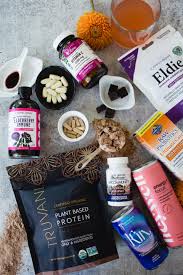
Can health and wellness supplements prevent nutrient deficiencies?
Omega-3 fatty acid supplements are another effective option for preventing deficiencies, particularly in individuals who do not consume enough fatty fish. Omega-3s, commonly derived from fish oil or plant-based sources like flaxseed, are essential for heart health, brain function, and reducing inflammation. Regular supplementation helps individuals maintain optimal omega-3 levels, reducing the risk of cardiovascular issues and promoting overall well-being.
Magnesium supplements are also beneficial for preventing nutrient deficiencies. Magnesium is involved in over 300 biochemical reactions in the body, including muscle function, nerve signaling, and energy production. However, many individuals have insufficient magnesium intake due to processed food consumption or soil depletion. Taking magnesium Health and Wellness Supplements helps prevent symptoms of deficiency, such as muscle cramps, fatigue, and sleep disturbances.
Calcium supplements are frequently used to prevent bone-related deficiencies, especially in older adults and postmenopausal women. Calcium is essential for bone density and strength, and its deficiency can lead to osteoporosis and increased fracture risk. By including calcium supplements, individuals can maintain bone health and reduce the risk of age-related bone conditions.
Incorporating Health and Wellness Supplements into a balanced lifestyle can effectively prevent nutrient deficiencies, particularly for individuals with dietary limitations or increased nutrient needs. However, it is essential to use supplements under the guidance of a healthcare provider to avoid over-supplementation or potential interactions with medications. When combined with a nutritious diet and healthy lifestyle choices, targeted supplementation ensures that the body receives adequate nutrients, promoting optimal health and preventing deficiency-related complications.